Which apprenticeship is right for your school?
inspire+ Head of Education, Mick Oliver, guides schools through choosing an apprenticeship that fits their people, priorities and plans for the future.
When I speak to schools about apprenticeships, one of the first questions I’m often asked is:
“Which apprenticeship should we be looking at?”
My answer is usually to take a step back. Before looking at courses, levels or qualifications, start by asking two questions.
The first one is obvious, but the second is more important: 1. What is the role you actually need somebody to do now? 2. What aspect of the school do you want to develop for the future, and what culture are you aiming to build within your school?
Do you need more support in the classroom, or do you want to develop a more specialist role around SEND or pastoral support? Would greater capacity around PE and physical activity help you build a more active school culture? Think about the roles you want to shape for the future and how these could contribute to the culture you want across your school.
Those conversations are much more useful than starting with a list of apprenticeship programmes.
Because, ultimately, the question isn’t “Which apprenticeship do we want?”
It’s: “What would make the biggest difference to our team and our pupils?”
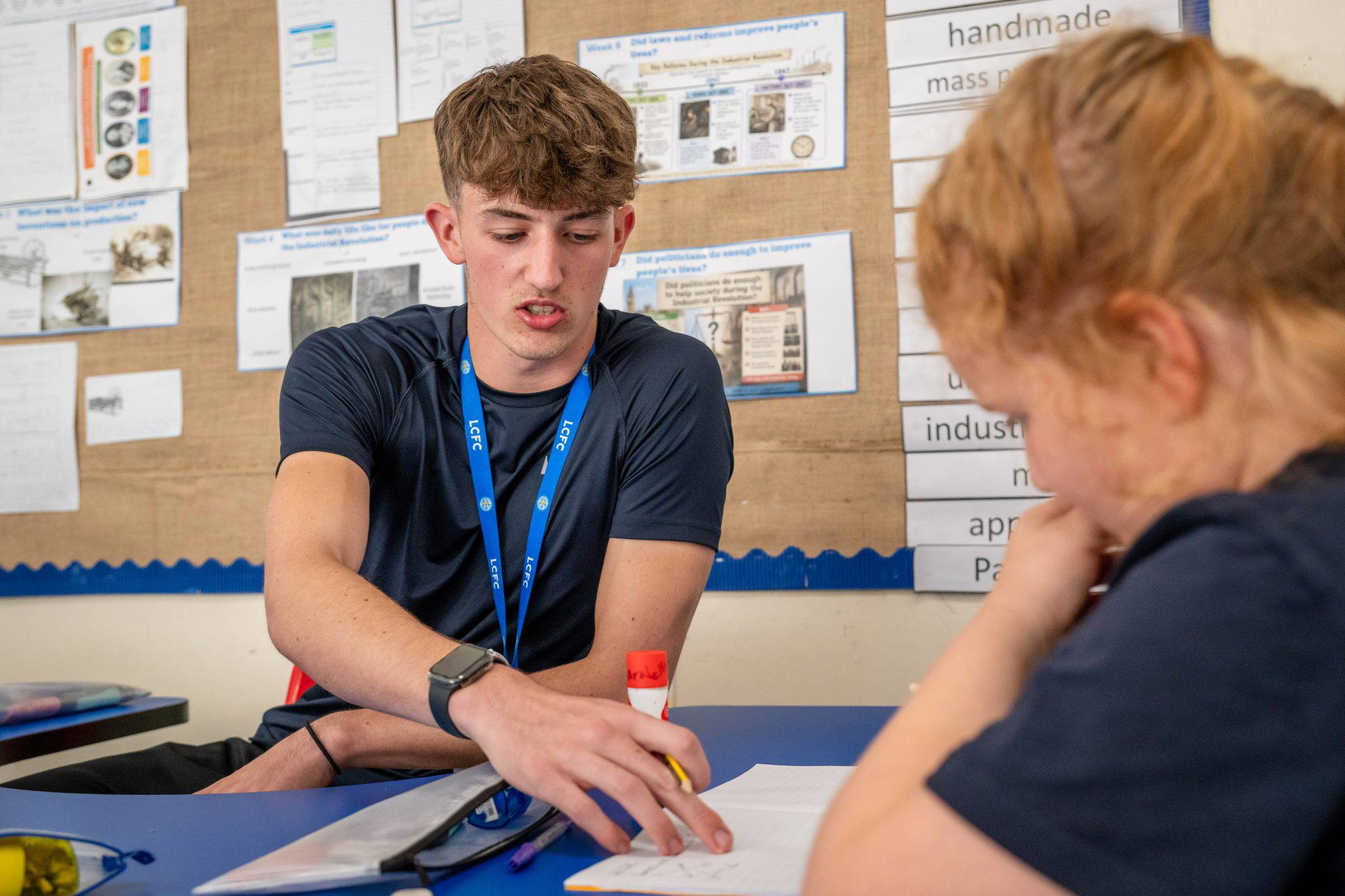
Are you recruiting someone new or developing someone you already have?
An apprenticeship can be an entry point for somebody starting their career, combining employment with structured learning and workplace development. But apprenticeships can also develop people who are already employed, provided the role and individual are suitable for the programme.
We’ve seen both through our work at inspire+. Since 2017, we’ve trained more than 650 apprentices, including people beginning their careers and existing members of school teams using apprenticeships to develop their skills further.
We’ve seen the difference this longer-term thinking can make.
For example, Molly Scaum began with a Level 2 Community Activator Coach apprenticeship. Through her work at Claypole Primary, the school noticed that Molly had skills not only in delivering and supporting PE but also in interacting with SEND pupils. She progressed to a Level 3 Teaching Assistant apprenticeship, where she began to specialise in small-group interventions, and is now preparing to undertake the Level 5 Specialist Teaching Assistant apprenticeship (equivalent to a foundation degree). Alongside this, she helps to lead in the school’s new SEND sensory room and mentors children through the ELSA programme.
Another example, Samantha Gibbons was already working as a Teaching Assistant at Deeping St James Primary when her school identified the potential for her to take on greater responsibility within SEND. They invested in her by facilitating her on the Level 5 Specialist Teaching Assistant apprenticeship. She now works as the Assistant SENDCO, giving valuable support and inspiration to a busy primary school.
Both journeys started in different places, but the principle is the same: look beyond what somebody can do today and consider what they could contribute with the right development, support and opportunity.
What does your school actually need?
Once that’s clear, you can begin exploring which apprenticeship route might fit.
At inspire+, our programmes cover different roles and stages of development across education, physical activity and coaching.
- Need more capacity around physical activity and engagement?
The Level 2 Community Activator Coach can provide an entry point for somebody developing their skills in using sport and physical activity to engage children and communities.
- Need more support for teaching and learning?
The Level 3 Teaching Assistant is focused on somebody working within the classroom and developing their practice across teaching and learning, including areas such as SEND, pastoral support and even PE.
- Looking to develop somebody with existing coaching experience?
The Level 4 Sports Coach supports the development of more advanced coaching practice and greater responsibility.
- Want to develop an experienced member of your school support team?
The Level 5 Specialist Teaching Assistant is aimed at experienced staff looking to develop higher-level specialist practice, including areas such as SEND, SEMH or a curriculum area like PE.
Each programme responds to a different role, level of experience and workforce need. Getting that match right is far more important than starting with a particular course in mind.
Five questions I’d ask before choosing an apprenticeship
If you’re considering apprenticeships as part of your workforce plans, I’d start by asking five questions:
- What role do we need this person to do now, and what could that role become as we develop the school?
- Are we recruiting somebody new or developing someone already in our team?
- What skills, experience and interests does that individual already have, and where could these take them with the right support?
- Can we give them the workplace opportunities they need to learn and develop?
- If we imagine them growing into that role, how could it benefit their own development, the day-to-day running of the school and the culture we want to build?
You don’t need to know which apprenticeship you want before having a conversation with us.
In fact, I’d much rather a school came to us saying: “This is the problem we’re trying to solve”. From there, we can start looking at the person, the role and whether an apprenticeship is genuinely the right fit.

When the fit is right
Choosing the right route isn’t just about gaining a qualification. What matters is the difference that person’s development can make within the school.
We’ve seen that first-hand. West Grantham Primary Academy, for example, described the impact its apprentice had on pupils as “the biggest measure of success”, alongside the value of communication and having a quality pathway for progression.
That’s ultimately what we’re trying to achieve. It’s not about filling a space on an apprenticeship programme. It’s about developing somebody who can make a genuine contribution to your school, while giving that individual an opportunity to build their own skills and career.
Not sure which route fits? Start with a conversation
If you’re beginning to think about your staffing or workforce development needs for 2027, you don’t need to have all the answers yet. Start with the role.
Think about the skills you need, where there are gaps within your team and the difference you want that person to make. Then talk it through with us. We can help you explore the different apprenticeship routes and work out which, if any, could be the right fit for your school and the individual.
Get in touch with the inspire+ team to start the conversation.